Trade Magic: The Gathering cards with the friends you actually play with
Ask a friend or a group member for the cards you found in their collection, let them answer card by card, and keep the record of what was agreed.
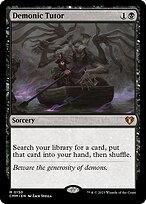

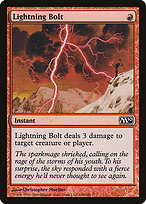
The trade-tool layer is what turns "I see your Wrenn and Six in the binder" into "we agreed on the swap, and I'm bringing the cards Friday." MTG Burrow's MTG trade tool is the transactional half of the site: once you've found a card someone in your group owns, the trade tool handles the request, the back-and-forth, and the record of what changed hands. It works inside an existing playgroup — the people you already trade Magic cards with — instead of pairing you with strangers.
This page is for the mechanics of trading. If you haven't yet uploaded your collection or browsed your friends' cards, start at the digital trade binder, which is the layer underneath this one. The binder is what makes everyone's collection visible. The trade tool is what moves cards from one binder to another.
Send and track MTG trade requests with your group
A trade request on MTG Burrow starts with the cards you want. Search your friends' or your group's collections, select the cards one owner has, add a message, and send. The request shows up on that owner's home page, where they work through it card by card, approving some and declining others, and reply with a message of their own. The answer closes the request as accepted, partly accepted, or declined, and it stays on both accounts. No more text-thread archaeology to remember which deal was about which Cyclonic Rift. The request keeps the conversation tied to the specific cards, not buried in chat.
The trade views collect the pending and the settled requests in one place: what you have asked for, what has been asked of you, and the history of both. What you swap back is between the two of you at the table — the site records the ask and the answer, not the handshake. For groups that trade often, that history becomes a useful low-key ledger of who has helped you finish which deck.
Built for free trading inside your playgroup
There is no commission on trades. There is no marketplace fee. There is no shipping address (the trades happen in person at game night). The trade tool exists because it makes trading among friends easier, not because it monetizes the volume. Trade MTG with playgroup members the way you already do — face to face, at the table — but with a tool that remembers what was agreed.
This is also why MTG Burrow's positioning differs from TCGplayer or Cardsphere. Those are excellent transactional marketplaces for trading with strangers; they need escrow, feedback systems, and shipping integration because the trust layer is missing. Inside a playgroup, the trust layer is already there — you'll see the other player on Friday. The tool you need is much smaller: a way to ask, a way to answer, and a record of what was agreed. That's what the MTG trade tool here provides, and nothing more.
Getting into a group to trade with
Trading needs a shared collection first, so the first step is a group. Anyone can create one and invite the rest of the table: a group can be open to join, closed behind a password, or set so that a request to join needs an owner's approval. New players, players who recently moved, and players whose old playgroup drifted apart join an existing group the same way — with a link from someone already in it.
Groups are private by design. There is no public directory of playgroups to browse, and a collection is only searchable by the friends and groups you have joined, which is why every part of this runs behind a free login.
Get started
Sign up for a free account to send your first trade request. Already a member? Log in to check your pending requests. The trade tool depends on at least one shared collection, so you'll want to either join a friend's group or start one with friends who use the collection tracker. For a deck-driven trading workflow, the Power Search tells you exactly which cards your decklist needs that you don't yet own. Tracking sets in parallel? The set completion tracker handles that workflow. Migrating a collection from elsewhere first? See the import page.
Frequently asked questions
- Is the MTG trade tool free?
- Yes. Sending and tracking trade requests is free. There is no commission, no transaction fee, and no premium tier needed to use the trade tool.
- How does a trade actually complete?
- You send the request through the site, the owner approves or declines each card in it, and you settle up in person at game night. The site keeps the record of what was asked and what was agreed; it does not move cards between collections, so both of you update your own collection as you normally would.
- Can I trade with people I don't know?
- No. A trade request goes to someone whose collection you can already see, which means a friend or a member of a group you've joined. The site is not a marketplace of strangers and has no public directory of groups.
- What if a trade falls through after we've agreed?
- While a request is still waiting for an answer, the person who sent it can cancel it. Nothing has moved between collections at that point, so there is nothing to undo. Answered requests stay in the history so you have a record either way.
- Does the tool track value?
- The request view totals the cards being approved using the pricing the site already holds, so both sides can see roughly comparable values. The agreement is between the two players — there is no automated value gating, no required parity, and no commission. Friends can decide together what makes a fair swap.